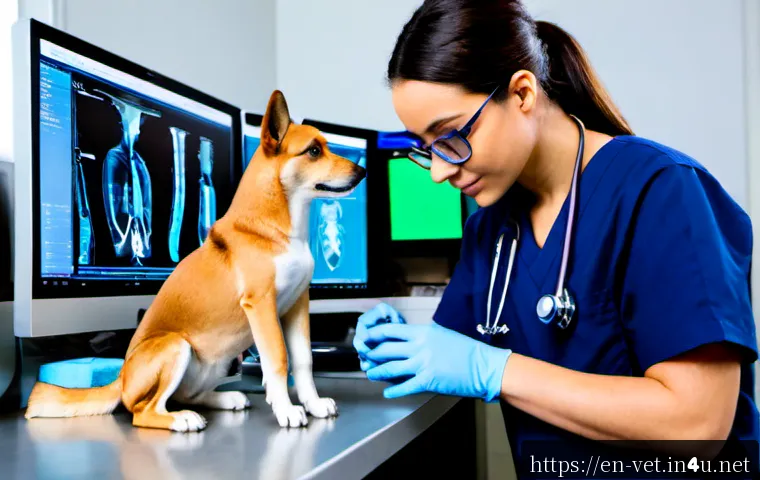
Working as a veterinarian has been an eye-opening journey filled with unexpected challenges and profound rewards. Every day brings new lessons about compassion, patience, and the delicate balance between science and empathy.
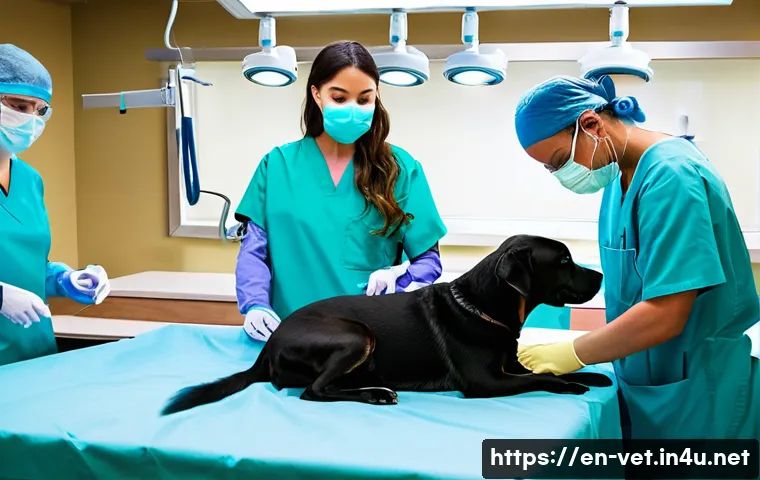
From emergency surgeries to comforting worried pet owners, the experience has shaped my understanding of both animals and humans alike. These moments have taught me that healing goes beyond medicine—it’s about connection and trust.
Curious to hear about the most valuable insights I’ve gained? Let’s dive into the details and explore them together!
Understanding the Unspoken Language of Animals
Reading Behavioral Cues Beyond the Obvious
Animals don’t speak our language, but they communicate volumes through body language, subtle movements, and even their breathing patterns. Over time, I’ve learned to pick up on these nuanced signals—like the barely noticeable tail flick of a nervous dog or the slight ear twitch in a cat signaling discomfort.
These little cues often tell me more than any physical exam, guiding how I approach treatment or handle a procedure. It’s fascinating how much patience and observation it takes to decode these messages, and honestly, it’s been a game-changer in building trust with my patients.
There were times when I thought a pet was calm only to notice a tiny sign of stress that made me slow down and reassure them, which instantly improved the outcome.
The Role of Empathy in Animal Care
Empathy isn’t just for humans; it’s a vital tool when working with animals. I’ve found that animals respond better when they sense calmness and kindness from their caregiver.
My experience has taught me that rushing through an exam or procedure can escalate anxiety, not just for the pet but also for the owner watching nervously.
Taking a moment to connect—whether it’s through gentle touch, a soothing voice, or simply giving the animal space—helps create a bond that makes all the difference.
It’s amazing how a little empathy can lower stress hormones and promote healing, something that textbooks rarely emphasize but I’ve witnessed countless times firsthand.
Building Trust with Pet Owners
Veterinary care isn’t just about treating animals; it’s equally about supporting their humans. I’ve learned that clear communication, honesty, and patience are crucial when discussing diagnoses or treatment options.
Pet owners often come in overwhelmed and scared, so breaking down complex medical jargon into understandable terms can ease their worries. Sometimes, just listening to their concerns and acknowledging their feelings is enough to build a strong partnership.
When owners trust me, they become active participants in their pet’s care, which ultimately leads to better outcomes. This human connection is as important as the medical side of the job, and it’s something I continually strive to nurture.
Adapting Quickly in High-Pressure Situations
The Reality of Emergency Medicine
Emergencies don’t wait for convenience—they demand immediate attention and decisive action. Working in this environment has sharpened my ability to think on my feet and prioritize rapidly changing situations.
I remember a night when a dog was rushed in with severe trauma after an accident. The adrenaline, the urgency, and the stakes were sky-high. It’s in these moments that every second counts, and having a clear mental checklist along with calm nerves can make the difference between life and death.
Despite the chaos, I’ve learned to maintain focus and trust my training, which has been incredibly rewarding when I see a patient pull through against the odds.
Teamwork and Communication Under Stress
Emergency cases also emphasize the importance of teamwork. I’ve come to rely heavily on my colleagues—vet techs, nurses, and other vets—because no one can handle everything alone.
Effective communication in the heat of the moment prevents mistakes and speeds up treatment. For example, clearly assigning roles during a CPR or surgery ensures that everyone knows what to do without confusion.
This dynamic environment taught me humility and the necessity of trusting others while maintaining leadership when needed. It’s a delicate balance but one that I believe makes emergency care truly effective.
Learning from Mistakes and Near Misses
No one is perfect, especially in high-stakes medicine. I’ve had moments where things didn’t go as planned, and reflecting on those experiences has been invaluable.
Instead of letting mistakes discourage me, I use them as lessons to improve my skills and decision-making. It’s a humbling process that keeps me grounded and constantly learning.
Being open about errors with my team fosters an environment of transparency and growth, which ultimately benefits the patients. This mindset shift—from fearing failure to embracing it as part of the journey—has made me a more confident and competent veterinarian.
Tailoring Treatments to Individual Needs
Recognizing That No Two Patients Are the Same
One of the biggest surprises in my practice has been how diverse animals’ responses to treatment can be. Even within the same species, factors like age, breed, temperament, and past experiences influence how they react to medication or therapy.
I’ve learned to avoid one-size-fits-all approaches and instead customize care plans that consider each animal’s unique circumstances. This personalized approach often means spending extra time observing and discussing options with owners, but the payoff is better compliance and improved recovery rates.
It’s a reminder that veterinary medicine is as much an art as it is a science.
Integrating Holistic and Conventional Methods
While conventional medicine forms the backbone of veterinary care, I’ve increasingly explored complementary therapies such as acupuncture, physical rehabilitation, and dietary adjustments.
My own experience with cases where traditional treatments alone weren’t enough has opened my eyes to the benefits of a more integrative approach. These methods often help manage chronic conditions or improve quality of life, especially for older pets.
Learning from specialists in these fields and seeing positive outcomes firsthand has convinced me that keeping an open mind and embracing multiple modalities is key to comprehensive care.
Monitoring Progress with Patience and Precision
Treatment doesn’t end once medication is prescribed or surgery is done—it’s the ongoing monitoring that makes the real difference. I’ve developed a habit of meticulously tracking each patient’s progress, tweaking plans as needed, and staying in close contact with owners.
This continuous evaluation prevents setbacks and helps catch complications early. It also reassures pet owners that their loved ones are in capable hands.
Patience is crucial here, as healing is rarely linear, and being adaptable in response to each patient’s journey has strengthened my clinical judgment immensely.
Balancing Professional Demands with Personal Well-Being
Recognizing Compassion Fatigue and Burnout
Working as a veterinarian can be emotionally draining. I’ve faced days filled with heartbreaking cases and high stress, which sometimes led to compassion fatigue and burnout.
Realizing these feelings are natural was the first step toward managing them. I now prioritize self-care and set boundaries to protect my mental health.
Whether it’s taking short breaks during intense shifts, seeking support from colleagues, or engaging in hobbies outside of work, these strategies help me recharge.
Acknowledging that caring for myself is essential to providing the best care for others has been one of the hardest but most important lessons.
Finding Joy in Small Victories

Despite the challenges, the moments of joy—like seeing a critically ill pet recover or witnessing a shy animal become confident—are deeply fulfilling.
I’ve learned to celebrate these small wins because they remind me why I chose this path. Sharing these successes with pet owners also strengthens our relationships and gives everyone hope.
Focusing on the positive aspects helps balance the tough days and renews my passion for the profession. It’s a reminder that every effort, no matter how small, contributes to making a difference.
Maintaining Lifelong Learning and Growth
The veterinary field is always evolving, and staying current is both a responsibility and a source of motivation. I regularly attend conferences, read new research, and engage with peers to enhance my knowledge.
This commitment to lifelong learning not only improves my skills but also ensures that my patients receive cutting-edge care. It’s exciting to see how advances in medicine continually open new possibilities.
Embracing growth keeps my work dynamic and prevents stagnation, fueling my enthusiasm day after day.
Essential Skills Beyond Medical Knowledge
Effective Communication with Diverse Audiences
Veterinary practice involves interacting with a wide range of people, from pet owners to colleagues and support staff. I’ve found that tailoring communication styles to suit different audiences is critical.
For example, explaining complex procedures to a worried pet owner requires empathy and simplicity, while discussing cases with specialists demands technical precision.
Developing these communication skills has helped me avoid misunderstandings and foster collaboration. It’s an often-overlooked aspect of veterinary medicine that greatly impacts outcomes and client satisfaction.
Organizational Skills and Time Management
The sheer volume of tasks—examining patients, documenting records, managing emergencies, and following up with clients—can be overwhelming. I’ve had to develop strong organizational and time management habits to stay on top of everything without compromising quality.
Using digital tools, prioritizing urgent cases, and delegating effectively have become part of my daily routine. This structure reduces stress and increases efficiency, allowing me to focus more on patient care.
It’s a skill set that transfers beyond work and improves overall life balance.
Emotional Intelligence in Practice
Understanding and managing emotions—both my own and those of others—has been essential in my veterinary career. High emotional intelligence allows me to remain calm under pressure, respond thoughtfully to difficult situations, and build meaningful connections with clients and colleagues.
I’ve noticed that empathy, patience, and active listening not only ease client anxiety but also enhance teamwork. Developing this emotional awareness has made me a better caregiver and colleague, enriching my professional and personal relationships.
Common Challenges and How to Overcome Them
Dealing with Difficult Cases and Outcomes
Not every case has a happy ending, and facing loss or poor prognosis is one of the hardest parts of this job. I’ve learned to cope by focusing on what I can control—providing the best care possible and supporting families through tough decisions.
Accepting that some outcomes are beyond my influence helps me maintain resilience. I also find it helpful to reflect on positive moments within difficult cases, like easing pain or offering comfort, which reaffirm the value of my work.
Managing Client Expectations
Clients often come in with high hopes or misinformation, which can lead to frustration or disappointment. I’ve found that setting realistic expectations early on through honest, clear conversations prevents misunderstandings.
Explaining the limits of medicine, potential risks, and the importance of follow-up care helps align goals. When clients feel informed and involved, they’re more likely to cooperate and trust the treatment plan.
This proactive communication reduces conflict and enhances satisfaction.
Handling Work-Life Balance in a Demanding Field
Balancing the intense demands of veterinary medicine with personal life has been a continual challenge. I’ve experimented with different schedules and self-care routines to find what works best for me.
Prioritizing downtime, staying connected with family and friends, and pursuing activities outside of work help me recharge. It’s an ongoing process that requires flexibility and self-awareness, but it’s crucial for long-term sustainability and happiness in this career.
| Challenge | Effective Strategies | Personal Insight |
|---|---|---|
| Decoding Animal Behavior | Close observation, patience, empathy | Small behavioral cues often reveal stress before physical signs |
| Emergency Response | Clear communication, teamwork, calm decision-making | Staying focused under pressure saves lives |
| Client Communication | Honest explanations, active listening, setting realistic expectations | Trust built through transparency improves treatment adherence |
| Compassion Fatigue | Self-care, boundary setting, peer support | Recognizing burnout early prevents emotional exhaustion |
| Personalized Treatment | Tailored care plans, integrating holistic methods, ongoing monitoring | One-size-fits-all rarely works; customization leads to better outcomes |
In Conclusion
Understanding animals beyond words requires patience, empathy, and keen observation. Building trust with both pets and their owners strengthens care outcomes. Adapting quickly in emergencies and personalizing treatments highlights the complexity of veterinary medicine. Balancing professional challenges with self-care keeps the passion alive for this rewarding career.
Useful Information to Keep in Mind
1. Paying close attention to subtle animal behaviors can reveal hidden stress or discomfort early on.
2. Clear and compassionate communication with pet owners fosters trust and improves treatment adherence.
3. Emergency situations demand calm decision-making and effective teamwork to save lives.
4. Integrating holistic therapies alongside conventional medicine can enhance patient recovery and quality of life.
5. Managing compassion fatigue through self-care is essential to sustain long-term success in veterinary care.
Key Takeaways
Effective veterinary care goes beyond medical knowledge; it requires empathy, clear communication, and adaptability. Recognizing individual needs and behaviors ensures personalized treatment plans, while teamwork and ongoing learning drive better outcomes. Maintaining emotional well-being is critical to providing consistent, high-quality care. Ultimately, building trust with both animals and their owners is the cornerstone of a successful and fulfilling veterinary practice.
Frequently Asked Questions (FAQ) 📖
Q: What are some of the biggest challenges you face as a veterinarian?
A: One of the toughest challenges is balancing the emotional weight of difficult cases, especially when treatment options are limited or outcomes uncertain.
Dealing with emergencies means making quick decisions under pressure, and sometimes delivering hard news to pet owners can be heart-wrenching. It requires a mix of scientific knowledge and emotional resilience to support both animals and their families through these moments.
Q: How do you build trust with pet owners during stressful situations?
A: Building trust comes from clear communication and genuine empathy. I always make an effort to explain the medical situation in simple terms, listen carefully to owners’ concerns, and be honest about possible outcomes.
Showing that I truly care about their pet’s well-being helps ease their anxiety. In my experience, when owners feel understood and involved, they become partners in the healing process.
Q: What has been the most rewarding part of working as a veterinarian?
A: Without a doubt, witnessing the recovery and happiness of an animal after a tough treatment is incredibly fulfilling. Beyond the medical side, the bonds formed with both pets and their owners create moments of deep connection.
Knowing that my work makes a real difference in their lives motivates me every day. It’s these personal stories and shared joys that remind me why I chose this path.