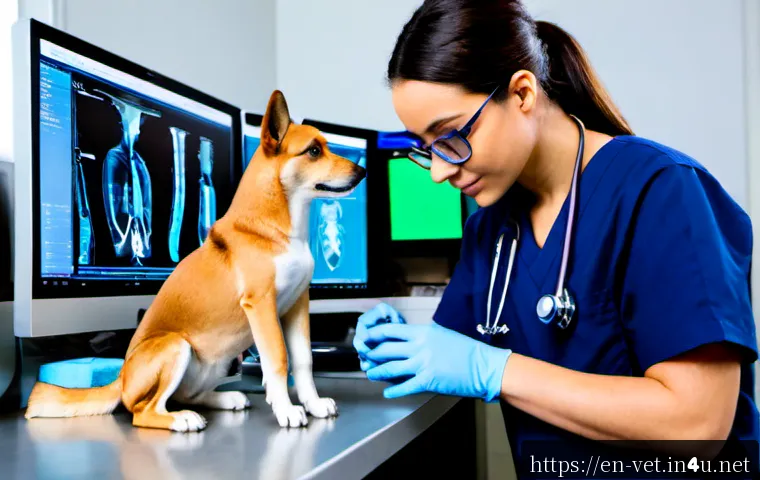
The right advanced veterinary courses depend on whether you want stronger clinical skills, a research pathway, or preparation for practice management and public health work.
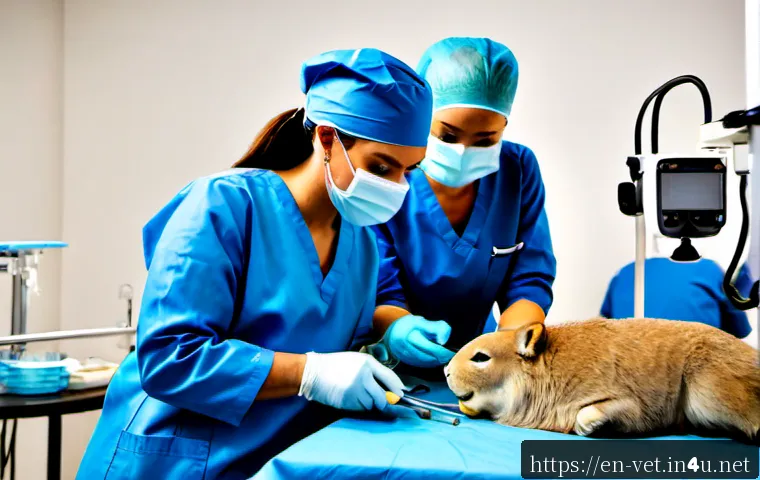
Start with courses that match your intended patient population and practice setting, then verify prerequisites, supervised access, and total training costs.
Clinical electives can build confidence through cases, laboratories, simulations, and placements, but course titles alone do not show how much hands-on work is available.
Research and population-health options may fit students who prefer diagnostics, disease investigation, policy, or industry-facing work. Comparing veterinary school catalogs, teaching facilities, and education financing considerations can make a major difference before committing to a program or specialty track.
A narrow elective can be valuable, but broad clinical foundations remain important for many career directions.
At a Glance
- Clinical goals: Consider advanced medicine, surgery, emergency care, anesthesia, diagnostic imaging, and supervised rotations.
- Research or public-health goals: Look at pathology, research, public health, and population-focused coursework.
- Before enrolling: Compare prerequisites, practical access, placement requirements, equipment needs, and postgraduate expectations.
| Advanced Course Focus | Typical Learning Format | Useful Background | Career Fit | Possible Extra Cost Areas |
|---|---|---|---|---|
| Clinical medicine and surgery | Case discussions, laboratories, simulations, clinical rotations | Anatomy, physiology, pharmacology, pathology, clinical examination | Companion-animal practice, referral settings, hospital work | Instruments, protective equipment, placement-related living or travel costs |
| Emergency care, anesthesia, and imaging | Diagnostic training, supervised practical work, case-based learning | Core clinical knowledge and examination skills | Emergency practice, specialty medicine, diagnostic services | Clinical resources, equipment, possible postgraduate training |
| Livestock, equine, wildlife, or aquatic health | Field placements, species-focused teaching, practical experience | Foundational biomedical and clinical sciences | Food-animal, equine, wildlife, shelter, or field-based work | Travel, field placement expenses, protective equipment |
| Pathology, research, and public health | Laboratory work, diagnostics, research activities, case analysis | Pathology, pharmacology, biomedical science foundations | Research, industry, public health, diagnostic laboratories | Research-related requirements, travel, further training |
| Veterinary business and practice management | Applied discussion, planning, and professional coursework | Broad understanding of veterinary practice settings | Practice ownership, leadership, operational roles | Program fees or materials where applicable |
What Advanced Veterinary Study Usually Covers
Three Quick Takeaways Before Selecting Electives
First, choose by career direction, not by popularity alone. A highly regarded surgery elective may be useful for one student, while a broad internal medicine, pathology, or public-health course may better support another plan. Second, check the required knowledge before registration. Many advanced subjects build on anatomy, physiology, pharmacology, pathology, and clinical examination skills. Third, confirm what “practical training” actually means at that school: it may include laboratories, simulation training, case discussions, hospital rotations, field placements, or a combination of these.
From Core Science to Clinical Decision-Making
Veterinary curricula commonly combine foundational biomedical sciences with clinical medicine, diagnostic training, and supervised practical experience. Advanced courses generally move beyond memorizing concepts and ask students to connect signs, diagnostics, treatment planning, patient safety, and professional judgment. The exact balance varies. One school may emphasize clinical case discussions, while another may offer more access to teaching hospitals, laboratories, simulations, or field placements.
Why Course Catalogs Alone Do Not Show the Full Training Experience
A catalog title can identify a subject area, but it cannot always show caseload, supervision, rotation availability, or hands-on access. A course called “Emergency Medicine” may be organized differently across veterinary schools. Before treating a title as evidence of clinical readiness, review the official course description and ask how students participate in practical work. This matters especially when comparing veterinary school programs, clinical training resources, and specialty-oriented pathways.
Compare Advanced Course Areas by Career Goal and Learning Style
Clinical Specialties: Surgery, Internal Medicine, Emergency, Anesthesia, and Imaging
Students drawn to direct patient care often consider advanced clinical medicine, surgery, emergency care, anesthesia, or diagnostic imaging. These areas can suit learners who want structured clinical decision-making and regular exposure to cases. They may also involve demanding preparation because students need a solid foundation in core sciences and clinical examination. A useful comparison question is not simply, “Does this school offer the course?” Ask, “How is the course taught, and what supervised experience is included?”
Population and Species Pathways: Livestock, Equine, Wildlife, and Aquatic Animal Health
Species-focused study can help students explore the settings in which they may eventually work. Livestock and food-animal interests may lead students toward field-based learning. Equine, wildlife, and aquatic animal health may require different practical opportunities than companion-animal hospital training. Consider the likely patient population, access to placements, travel needs, and whether the school’s clinical facilities support the type of experience you want.
Research, Pathology, Public Health, and Veterinary Business Options
Not every advanced veterinary pathway centers on individual clinical cases. Pathology and diagnostic training can appeal to students interested in disease processes and laboratory work. Research options may fit those who want to contribute to biomedical or animal-health investigation. Public health can be relevant for population-level work, while veterinary business coursework may support students considering leadership or practice ownership. These choices can complement clinical education, but they should still be evaluated against prerequisites, workload, and long-term career plans.
Comparison Table: Prerequisites, Hands-On Exposure, Workload, and Career Use
| Pathway | Prerequisite Importance | Hands-On Exposure to Confirm | Workload Consideration | Long-Term Use |
|---|---|---|---|---|
| Clinical specialty elective | Often high | Laboratories, simulations, hospital rotations, direct supervision | May combine technical knowledge with case preparation | Useful for clinical practice exploration and specialty interest |
| Species-focused elective | Depends on the subject | Field placements, relevant patients, teaching resources | May include travel or placement planning | Useful for matching training to a patient population |
| Research or pathology | Strong science foundation can matter | Laboratory access, diagnostic activities, research supervision | May require sustained analytical work | Useful for laboratory, research, and diagnostic directions |
| Public health or business | Varies by school | Applied projects, population-health learning, professional context | Often requires planning alongside clinical subjects | Useful for public health, industry, leadership, or ownership goals |
Assess Workload, Practical Training, and Total Education Value
Lectures, Laboratories, Simulations, and Supervised Clinical Rotations
Advanced coursework can combine several learning formats. Lectures may provide the framework, while laboratories and diagnostic training build technical understanding. Simulation training can support preparation before live clinical settings. Case discussions can strengthen reasoning. Hospital and field placements can add supervised practical experience. The best mix depends on your goal, but the key is to confirm whether the program offers the type of learning environment you need.
Costs to Review Beyond Published Tuition
Veterinary school costs are not limited to tuition. Depending on the program and placement structure, students may need to budget for instruments, protective equipment, travel, licensing preparation, and living expenses during placements. Exact fees and requirements vary substantially by school, so do not assume that one program’s total cost will match another’s. When comparing education financing options, separate mandatory expenses from possible placement-related expenses and postgraduate costs.
When Additional Training May Be Worth the Time and Expense
Some veterinary career paths require additional training after graduation, such as internships, residencies, or board-certification routes. That does not mean every student needs the same route. The practical question is whether the added training aligns with the role you want and the requirements in your area. Review specialty certification pathways carefully, including whether a course, rotation, or degree actually counts toward a specific credential.
Avoid Common Mistakes When Building an Advanced Study Plan
Ignoring Prerequisite Chains and Rotation Schedules
Advanced electives may depend on earlier coursework. Missing a prerequisite can delay a plan or limit available rotations. Map required subjects early, especially if an elective is offered only at certain points in the academic calendar.
Overestimating Hands-On Access From a Course Description
Words such as “clinical,” “applied,” or “advanced” do not automatically guarantee extensive direct participation. Ask about supervision, practical format, patient access, and placement structure. This is a more useful comparison point than course title alone.

Choosing a Narrow Specialty Before Exploring Broader Clinical Skills
A focused interest can be helpful, but broad clinical skills remain valuable across many practice settings. Students who are still exploring may benefit from comparing a specialty-focused elective with a broader clinical course that strengthens examination, diagnostics, and case reasoning.
Failing to Check Local Licensing and Postgraduate Expectations
Licensing rules, specialty requirements, and credential pathways are not uniform. Verify whether a particular course supports your intended direction through official school and licensing information. Do not assume that an elective automatically satisfies a licensing or specialty requirement.
Course Choices for Different Veterinary Career Directions
Students Planning Companion-Animal General Practice
Companion-animal general practice may benefit from broad exposure to clinical medicine, surgery, diagnostic training, anesthesia, emergency care, and clinical examination. Rather than selecting only one narrow topic, look for a balanced set of courses and rotations that supports common clinical decision-making.
Students Interested in Referral Hospitals and Specialty Medicine
Students considering referral hospitals or specialty medicine may want deeper exposure to internal medicine, surgery, imaging, anesthesia, emergency care, or pathology. Because some specialty routes involve internships, residencies, or board-certification pathways, it is sensible to compare postgraduate expectations before treating one elective as a complete plan.
Students Considering Food-Animal, Equine, Wildlife, or Shelter Medicine
Species and practice setting should shape elective choices. Food-animal and equine interests may call for relevant field or placement opportunities. Wildlife and aquatic interests may depend heavily on whether the school offers suitable clinical resources or external placements. Shelter medicine can also involve a different practice context from referral or private companion-animal settings.
Students Aiming for Research, Public Health, Industry, or Practice Ownership
Research-minded students may prioritize pathology, diagnostics, and supervised research opportunities. Public-health interests may point toward population-focused training. Students considering industry can benefit from a strong scientific base and awareness of nontraditional veterinary roles. Future practice owners may also find veterinary business coursework useful alongside clinical preparation.
Choosing a Program and Training Path: Decision Criteria and Comparison Summary
Before committing, compare course prerequisites, teaching hospital or field access, supervision quality, rotation structure, total education costs, and postgraduate requirements. Review school catalogs alongside practical-training information, not as a substitute for it. Ask whether clinical facilities match your intended patient population and whether placement expenses could affect your budget. Compare education financing considerations with the likely length of training, including any internship or residency plans. For exact course conditions, clinical resources, and funding details, check the relevant official program and financing pages.
Final Thoughts
Advanced veterinary courses are most useful when they support a clear but flexible career direction. Clinical electives can build practical confidence, while research, pathology, public health, and business options can open different professional paths. The strongest choice is usually one that fits your current preparation, learning style, desired practice setting, and realistic budget. Verify details directly with each veterinary school because course access, placements, and costs can change.
Useful Things to Know
1. A course title does not fully explain practical access.
2. Instruments, protective equipment, travel, and placement living expenses may sit outside published tuition.
3. Broad clinical skills can be valuable even for students interested in a future specialty.
4. Internships, residencies, and board-certification routes may be relevant for some career paths after graduation.
Important Notes
Course availability, prerequisites, tuition, elective fees, assessment methods, placement conditions, and credential eligibility vary by veterinary school. This overview cannot determine the best specialty for an individual student or confirm whether a particular elective meets a licensing or specialty requirement. Use official school, licensing, and postgraduate training information before making an enrollment or financing decision.
Frequently Asked Questions
Q1. Which advanced veterinary courses are most useful for students planning companion-animal practice?
A1. Broad clinical coursework can be a practical starting point, including clinical medicine, surgery, diagnostic training, anesthesia, emergency care, and clinical examination skills. The best combination depends on the school’s rotation structure and the type of supervised experience available.
Q2. Do advanced veterinary electives usually add costs beyond veterinary school tuition?
A2. They can. Total education costs may include instruments, protective equipment, travel, licensing preparation, and living expenses during placements. Exact costs and required items must be confirmed with the individual school or program.
Q3. Is it better to choose a specialty-focused course or a broader clinical elective first?
A3. A broader clinical elective may be helpful when you are still building core skills or exploring career options. A specialty-focused course can make sense when you have the necessary prerequisites and a clear reason to pursue that area. Compare both options based on supervision, practical access, and your intended practice setting.