In today’s rapidly evolving veterinary field, collaboration between veterinarians and nurses is transforming the way we care for animals. With advances in medical technology and a deeper understanding of animal health, this dynamic partnership is proving essential to improving treatment outcomes.
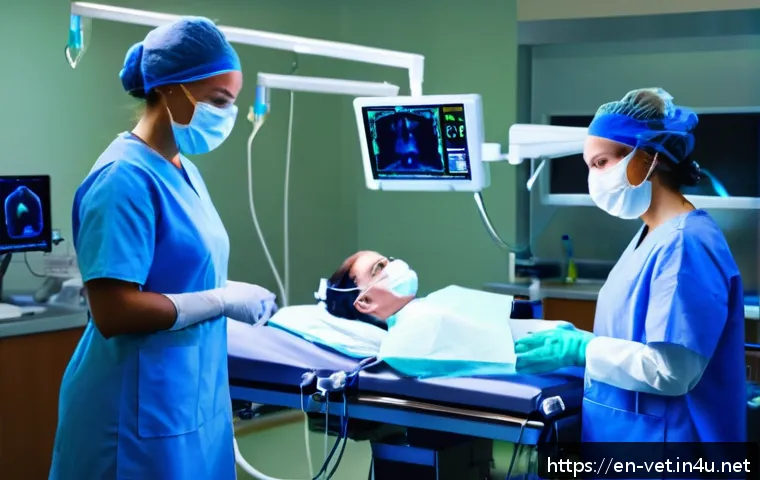
As pet owners become more informed and demand higher standards of care, the teamwork behind the scenes is more crucial than ever. Join me as we explore how these dedicated professionals are revolutionizing animal care through shared expertise and compassionate support.
Whether you’re a pet lover or a veterinary enthusiast, you’ll find valuable insights ahead that highlight the future of animal healthcare.
Enhancing Patient Care Through Seamless Communication
Building a Common Language Between Veterinarians and Nurses
Effective communication is the backbone of any successful veterinary practice, but it’s especially vital between veterinarians and nurses. From my experience shadowing a busy animal hospital, I noticed how quickly misunderstandings could arise without a shared vocabulary and clear protocols.
Nurses often act as the first point of contact, gathering critical patient history and observing subtle behavioral cues that might otherwise go unnoticed.
When vets and nurses speak the same language—both literally and figuratively—the transition from assessment to treatment flows smoothly. This cohesion not only improves diagnostic accuracy but also fosters a more reassuring environment for anxious pet owners.
Real-Time Updates and Collaborative Decision-Making
In fast-paced clinical settings, information must be shared instantly to respond to sudden changes in an animal’s condition. I’ve seen how nurses use handheld devices or dedicated communication apps to relay vital signs, lab results, or medication reactions directly to vets during rounds.
This immediate feedback loop empowers veterinarians to make timely, informed decisions without waiting for formal reports. Moreover, when nurses participate in case discussions, they bring valuable frontline insights that can influence treatment plans.
Their observations about an animal’s pain levels or appetite can prompt adjustments that improve recovery times. This real-time collaboration transforms patient care from a linear process into a dynamic team effort.
Training and Protocol Alignment for Consistent Care
Another key aspect of communication is ensuring that both veterinarians and nurses are trained on the same clinical guidelines and emergency protocols.
I’ve been part of workshops where vets and nurses undergo joint training sessions to align their approaches to anesthesia monitoring, wound management, and infection control.
This shared knowledge base reduces errors and ensures every team member understands their role in complex procedures. When both sides are confident in the protocols, they can anticipate each other’s actions, leading to a more efficient and safer treatment environment.
Leveraging Technology to Improve Workflow and Accuracy
Electronic Medical Records Streamlining Documentation
The transition from paper charts to electronic medical records (EMRs) has revolutionized how veterinary teams document and access patient information.
In clinics I visited, nurses input vital data directly into EMRs during examinations, allowing veterinarians to instantly review trends like weight changes or lab results.
This reduces the risk of lost or illegible notes and supports more accurate diagnoses. Additionally, EMRs facilitate scheduling follow-ups and sending reminders to pet owners, which improves compliance with treatment plans.
The seamless integration of technology into daily routines has boosted overall clinic efficiency and patient safety.
Diagnostic Tools Supporting Collaborative Analysis
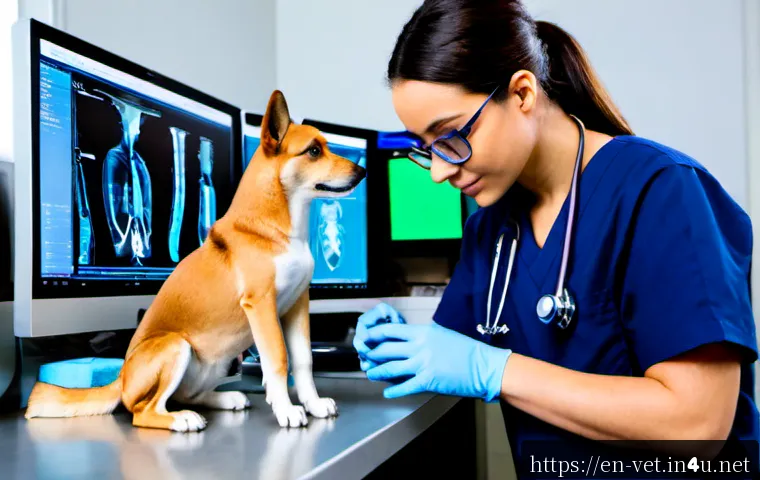
Advanced diagnostic equipment, such as portable ultrasound machines and in-house blood analyzers, has brought new dimensions to veterinary care. Nurses often assist in operating these tools, preparing animals, and collecting samples, which allows veterinarians to interpret results in real-time.
I observed how this hands-on involvement helps nurses understand disease processes better, making their communication with vets more precise. The ability to quickly confirm diagnoses on-site shortens wait times and reduces stress for both pets and owners.
This partnership in utilizing technology accelerates the decision-making process and optimizes treatment outcomes.
Telemedicine Bridging Gaps Between Visits
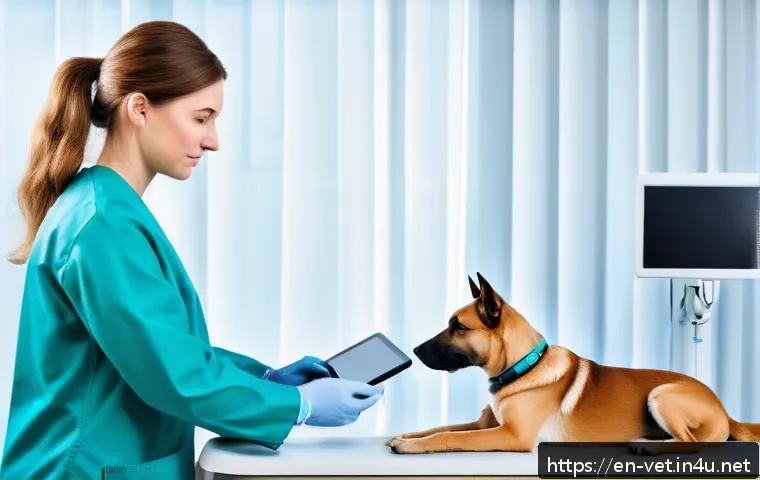
Telemedicine has become an invaluable tool, especially for follow-up consultations and monitoring chronic conditions. Nurses often coordinate these virtual visits by collecting preliminary data and guiding pet owners on how to measure vital signs at home.
Their role in educating owners and troubleshooting technical issues ensures smooth consultations. Veterinarians rely on this support to gather accurate information remotely, which helps adjust medications or recommend further tests without unnecessary clinic visits.
This approach enhances continuity of care and expands access to veterinary expertise beyond traditional office hours.
Specialized Roles and Cross-Training Elevating Team Competence
Developing Nurse Specialists in Critical Care and Anesthesia
Some veterinary practices invest in advanced training programs that enable nurses to specialize in areas like critical care, anesthesia, or dentistry.
I’ve talked with nurses who pursued certifications and now manage complex monitoring tasks during surgeries or oversee intensive care units. This specialization allows veterinarians to delegate specific responsibilities confidently, knowing that nurses have the expertise to detect complications early.
The collaboration between a vet and a nurse specialist can literally save lives by providing continuous, expert care throughout high-risk procedures.
Cross-Training Enhancing Flexibility and Understanding
Cross-training between veterinarians and nurses fosters mutual respect and a deeper understanding of each other’s challenges. In one clinic I visited, vets participated in nursing workshops to learn how to properly place catheters or administer injections, while nurses shadowed vets during physical exams.
This exchange not only broadens skill sets but also encourages empathy, making teamwork more cohesive. When team members appreciate the complexity of each other’s roles, communication improves, and patient care becomes more holistic.
Mentorship and Career Development Opportunities
Strong mentorship programs within veterinary teams help nurses grow professionally and contribute more meaningfully to patient care. I’ve seen seasoned veterinarians take time to coach new nurses on clinical reasoning, client communication, and emergency response.
This ongoing guidance builds confidence and encourages nurses to take initiative in patient management. Career development paths that promote upward mobility within the clinic also help retain talented staff, creating a stable and experienced team dedicated to excellent animal care.
Creating a Compassionate Environment for Patients and Pet Owners
Emotional Support Roles Played by Nurses
Nurses often serve as emotional anchors in veterinary clinics, providing comfort to both animals and their owners during stressful visits. From my observations, nurses excel at calming nervous pets through gentle handling and distraction techniques, which can make a significant difference in the success of examinations or treatments.
They also spend time talking with anxious owners, explaining procedures in simple terms and offering reassurance. This empathetic approach strengthens trust and encourages owners to follow through with care recommendations.
Teamwork Reducing Stress in Emergency Situations
Emergency cases can be chaotic and overwhelming, but a well-coordinated vet-nurse team helps keep the situation under control. I witnessed how nurses quickly triage patients, prepare equipment, and assist with lifesaving interventions, allowing veterinarians to focus on diagnosis and treatment.
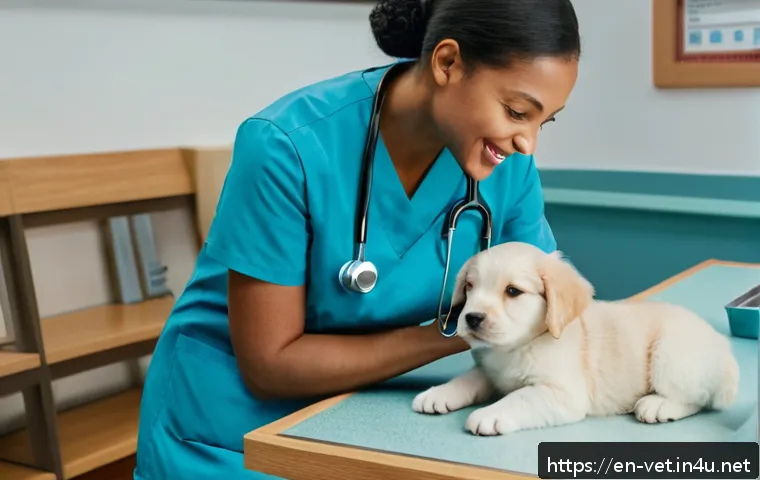
Their calm presence and efficient workflow reduce the overall stress in the clinic, creating a safer environment for everyone involved. This synergy is critical when seconds count and every action impacts the outcome.
Fostering Owner Education and Engagement
Both veterinarians and nurses play vital roles in educating pet owners about disease prevention, nutrition, and post-treatment care. Nurses often have more time to discuss daily care routines and answer questions, reinforcing the veterinarian’s advice.
This continuous education empowers owners to become active participants in their pet’s health, improving compliance and long-term outcomes. The collaborative effort to engage and inform owners reflects a holistic approach to animal welfare.
Optimizing Workflow Through Defined Roles and Responsibilities
Task Delegation Enhancing Efficiency
Clear delineation of duties between veterinarians and nurses streamlines clinic operations and maximizes the use of each team member’s skills. In practice, nurses handle routine procedures like sample collection, medication administration, and monitoring vital signs, freeing vets to focus on complex diagnostics and treatments.
This task delegation reduces bottlenecks and speeds up patient throughput. From firsthand experience, clinics with well-defined roles report fewer errors and higher staff satisfaction, as everyone understands their responsibilities and feels valued.
Coordinated Scheduling and Resource Management
Managing appointments, surgeries, and inpatient care requires tight coordination between vets and nurses. I’ve observed how nurses often oversee daily schedules, ensuring that necessary equipment and supplies are ready before each procedure.
This proactive approach minimizes downtime and prevents last-minute scrambles. When vets and nurses collaborate on resource allocation, it leads to smoother workflows and better patient outcomes.
Continuous Quality Improvement Initiatives
Veterinary teams that commit to regular review and improvement of their workflows see significant benefits. Nurses frequently contribute to quality assurance by documenting incidents, suggesting protocol updates, and participating in team meetings.
Their frontline perspective is invaluable in identifying inefficiencies or safety concerns. When vets and nurses work together on these initiatives, they create a culture of continuous learning and excellence that directly enhances patient care.
Key Benefits of Veterinary Team Collaboration
| Aspect | Veterinarian Role | Nurse Role | Impact on Patient Care |
|---|---|---|---|
| Communication | Diagnose and develop treatment plans | Gather patient data and provide updates | Improved diagnostic accuracy and faster interventions |
| Technology Use | Interpret diagnostic results | Operate equipment and document findings | Efficient workflows and reduced errors |
| Specialization | Lead complex procedures | Manage specialized nursing tasks | Enhanced safety and patient monitoring |
| Emotional Support | Explain medical conditions to owners | Comfort patients and owners | Increased owner trust and pet cooperation |
| Workflow Management | Focus on clinical decision-making | Coordinate scheduling and prepare resources | Smoother operations and higher staff efficiency |
Adapting to Evolving Veterinary Challenges Together
Responding to Emerging Diseases and Conditions
The veterinary field constantly faces new challenges, such as emerging infectious diseases and changing environmental factors affecting animal health.
I’ve seen how vets and nurses work hand in hand to stay updated on these developments through continuing education and shared research. Nurses often play a key role in implementing new protocols and educating staff and clients about prevention measures.
This united front allows practices to adapt quickly and maintain high standards of care despite shifting circumstances.
Incorporating Holistic and Integrative Approaches
Increasingly, veterinary teams are exploring complementary therapies alongside conventional treatments. Nurses frequently help administer acupuncture, physical therapy, or nutritional counseling, supporting veterinarians in offering more comprehensive care plans.
Their involvement in monitoring responses to these therapies ensures adjustments can be made promptly. This integrative approach reflects a broader commitment to the well-being of animals and highlights the value of diverse expertise within the team.
Preparing for Future Innovations in Veterinary Medicine
As technology and science continue to advance, veterinary teams must embrace ongoing learning and flexibility. I’ve encountered clinics where vets and nurses regularly participate in workshops on genetics, regenerative medicine, and telehealth innovations.
By fostering a culture of curiosity and collaboration, these teams position themselves to leverage future breakthroughs for the benefit of their patients.
The synergy between veterinarians and nurses will remain a cornerstone of delivering cutting-edge, compassionate animal care.
Closing Thoughts
Effective communication and collaboration between veterinarians and nurses are essential for delivering exceptional patient care. From shared language to technological integration and specialized roles, these partnerships enhance efficiency, accuracy, and compassion in veterinary settings. Embracing teamwork not only benefits the animals but also creates a supportive environment for pet owners and clinic staff alike.
Useful Information to Remember
1. Clear communication between vets and nurses reduces misunderstandings and improves diagnostic accuracy, benefiting patient outcomes.
2. Utilizing technology like electronic medical records and diagnostic tools streamlines workflows and supports real-time decision-making.
3. Specialized training and cross-training programs increase team flexibility and ensure consistent, high-quality care.
4. Nurses play a vital role in providing emotional support to pets and owners, fostering trust and cooperation during treatment.
5. Coordinated scheduling and task delegation optimize clinic operations, leading to smoother procedures and greater staff satisfaction.
Key Takeaways
Strong teamwork between veterinarians and nurses is the foundation of effective veterinary care. By aligning communication, sharing responsibilities, and embracing ongoing education, veterinary teams can adapt to new challenges and innovations. Prioritizing both clinical expertise and emotional support results in a more compassionate, efficient, and successful practice.
Frequently Asked Questions (FAQ) 📖
Q: How does the collaboration between veterinarians and veterinary nurses improve animal healthcare?
A: When veterinarians and veterinary nurses work closely together, they combine their skills and knowledge to provide more comprehensive care. Nurses often handle patient monitoring, administer treatments, and offer emotional support to both animals and owners, allowing veterinarians to focus on diagnosis and advanced procedures.
This teamwork leads to quicker recovery times, more accurate treatment plans, and a higher level of personalized care that benefits the animal’s overall well-being.
Q: What new medical technologies are influencing the teamwork in veterinary care?
A: Recent advances like digital imaging, telemedicine, and electronic medical records have made communication and diagnostics much more efficient between veterinarians and nurses.
For example, nurses can now quickly upload vital signs or lab results for vets to review remotely, speeding up decision-making. These technologies also allow for better tracking of treatment progress and more precise interventions, ultimately enhancing the quality of care delivered.
Q: How can pet owners benefit from the improved collaboration between vets and nurses?
A: Pet owners today are more informed and expect high-quality care, and the vet-nurse partnership ensures their pets receive that. Nurses often spend more time educating owners about post-treatment care, medication schedules, and lifestyle adjustments, which helps reduce complications at home.
This combined approach means pet owners feel supported and confident in the care their animals are receiving, leading to stronger trust and better health outcomes for their beloved pets.