Hey there, fellow animal lovers! It’s your favorite pet-obsessed blogger here, and today, we’re diving into a topic that hits close to home for every vet – and honestly, every pet parent too: those heart-stopping, breath-holding emergency situations.

You know, the ones that make your stomach drop and send a surge of adrenaline through your veins. As a veterinarian, I’ve personally been on the front lines, witnessing everything from late-night mysterious illnesses to truly shocking accidents that happen in the blink of an eye.
Each emergency is a whirlwind of quick decisions, intense focus, and often, profound emotional moments. It’s not just about the medical procedures; it’s about connecting with worried owners, staying calm under pressure, and fighting with everything you’ve got for a beloved family member.
I’ve learned invaluable lessons from every single case, and trust me, some of these stories are truly unforgettable. With so many amazing advancements in veterinary medicine these days, it’s easy to feel a sense of security, but the truth is, unexpected emergencies are still a very real part of pet ownership.
So, if you’ve ever wondered what really goes on behind those ER doors, or if you want to be better prepared for when the unexpected happens, let me share some insights from my own experiences.
Below, we’ll explore the real-life drama, the lessons learned, and how you can navigate these challenging times with confidence and knowledge.
Recognizing the Red Flags: When to Panic (and When Not To)
Subtle Signs You Might Miss
You know, it’s funny how often pet parents will tell me, “I just had a feeling.” And honestly, that gut instinct is often spot on. Our pets are masters at hiding discomfort, a survival mechanism from their wild ancestors. But if you know what to look for, you can pick up on those tiny clues that scream, “Something’s not right!” I’ve seen countless cases where a pet owner’s keen observation saved their furry friend’s life. Think about it: a slight change in their breathing pattern, a reluctance to jump onto the sofa they usually adore, or even a subtle shift in their appetite. It’s not always dramatic limping or obvious vomiting. Sometimes it’s just a general lethargy that persists longer than a day, or maybe they’re just not “themselves.” My personal rule of thumb is, if you’re worried enough to notice a persistent change, it’s worth a call to your vet. Don’t second-guess yourself when it comes to their health. I once had a client bring in their usually boisterous Labrador, Buster, because he was “just a bit quieter than usual.” No vomiting, no diarrhea, no obvious pain. Turns out, Buster had swallowed a small toy a few days prior, and it was causing a partial obstruction that slowly but surely was making him feel miserable. Early intervention made all the difference!
The “Wait and See” vs. “Go Now!” Dilemma
This is probably the most common question I get from worried pet parents over the phone. “Should I wait it out, or should I bring them in immediately?” And honestly, it’s tough! There are definitely times when a little monitoring at home is okay, like a single bout of mild vomiting in an otherwise happy, energetic pet. But then there are those situations that demand immediate attention, no questions asked. Things like severe bleeding, any kind of collapse, difficulty breathing (especially if their gums are turning blue or pale!), seizing, or inability to urinate. If your pet has ingested something potentially toxic, even if they seem fine right now, time is absolutely critical for us to intervene effectively. I remember a frantic late-night call about a puppy who had eaten an entire chocolate bar. The owner hesitated, thinking maybe it wasn’t that much. I urged them to come in right away. We induced vomiting, and that little pup was fine, but a few hours later, and it could have been a very different story. When in doubt, call your emergency vet. They can often help you assess the urgency over the phone, and honestly, a quick check-up is always better than regretting not acting sooner.
The Adrenaline Rush: What Happens Behind the ER Doors
Triage: The First Crucial Moments
Stepping into a veterinary emergency room can feel chaotic, but trust me, there’s a system to our madness. The moment you walk through those doors with your pet, you’ll notice a palpable shift in energy. Unlike a regular vet visit, emergencies are all about immediate assessment – what we call “triage.” Just like in human hospitals, our priority is to quickly identify the most critical patients and stabilize them. This means that a pet struggling to breathe might be whisked away before one with a minor cut, even if you arrived first. It can be a little jarring, I know, especially when you’re already stressed, but it’s literally life-saving. I’ve seen our team triage pets with lightning speed, assessing their breathing, heart rate, hydration, and mental state all within minutes. I recall one particularly busy evening when three emergencies came in almost simultaneously: a dog hit by a car, a cat having an asthma attack, and another dog with acute vomiting. Our fantastic veterinary technicians, bless their hearts, were like a well-oiled machine, calmly assessing each animal, prioritizing, and getting them into the treatment area where we could start working. It’s an incredible dance of controlled urgency.
Diagnostics Under Pressure
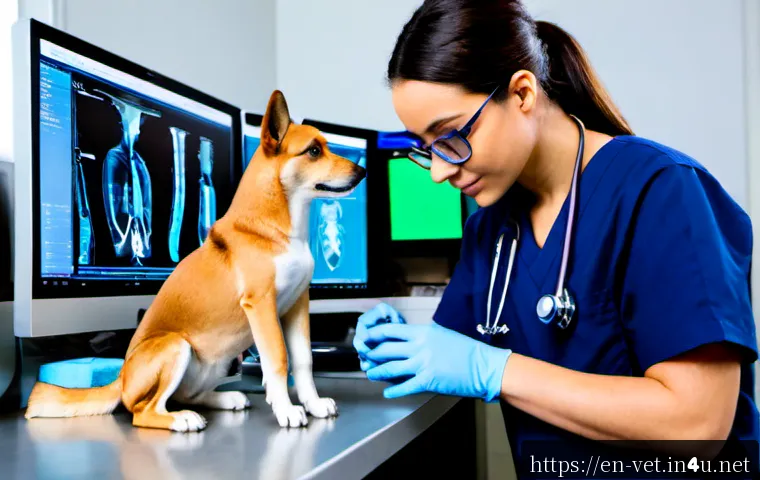
Once a pet is triaged and stabilized, the real detective work begins. In an emergency, we don’t always have the luxury of time, so our diagnostic tools become our best friends. Blood tests, X-rays, ultrasounds – sometimes all of them are happening simultaneously to pinpoint the problem as quickly as possible. It’s not just about running tests; it’s about interpreting those results under immense pressure and making rapid-fire decisions that directly impact a pet’s outcome. I remember a case involving a dog named Max who suddenly collapsed. His owners were distraught. Within minutes of his arrival, we had him hooked up to an IV, took an X-ray, and ran a quick blood panel. The X-ray revealed fluid around his heart, and the blood work confirmed internal bleeding. We rushed him into surgery, and thankfully, we were able to save him. Without those quick diagnostics, his chances would have been slim. It’s an intense environment, but seeing those results come in and being able to form a treatment plan almost instantly is incredibly rewarding.
Common Scenarios I’ve Faced: More Than Just Scrapes and Sprains
The Curious Case of the Ingested Object
Oh, if only our pets understood the difference between a chew toy and, say, your favorite sock, a rock, or even a fishing hook! Ingesting foreign objects is an incredibly common emergency, and let me tell you, pets have an uncanny ability to swallow the most bizarre things. From socks and underwear to corn cobs and children’s toys, I’ve seen it all. The danger here isn’t just choking; these objects can get lodged in the esophagus, stomach, or intestines, causing obstructions that can be life-threatening. Sometimes, if we catch it early enough, we can induce vomiting or use an endoscope to retrieve the item without surgery. But other times, surgery is the only option, and it’s always a delicate procedure. I vividly remember a sweet Beagle named Daisy who had eaten an entire set of rosary beads. Her owner was beside herself. We were able to retrieve most of them endoscopically, avoiding major surgery, which was a huge relief for everyone involved. It’s a stark reminder to keep anything remotely chewable or swallowable out of your pet’s reach.
Unexplained Weakness and Collapse
Few things are as terrifying for a pet parent as seeing their beloved animal suddenly become weak or collapse. It’s a symptom that can point to a multitude of underlying issues, some benign, others incredibly serious. From heart problems and internal bleeding to severe infections or neurological events, the diagnostic pathway can be complex and challenging. When a pet collapses, time is of the essence. We need to stabilize them, often with IV fluids and oxygen, and then begin systematically ruling out potential causes. This is where our quick diagnostics truly shine. I once treated a usually active Border Collie who suddenly became extremely lethargic and couldn’t stand. Initial thoughts went to a severe orthopedic issue, but her blood work showed a critically low red blood cell count. Further investigation revealed an aggressive splenic tumor that had ruptured, causing internal bleeding. We rushed her to surgery, and while the prognosis was guarded, we gave her a fighting chance. These cases are always a reminder of how quickly things can change and the importance of immediate veterinary attention for such alarming symptoms.
Beyond the Medical: Supporting Pet Parents Through Crisis
Communicating Hope and Hard Truths
Being a veterinarian in an emergency setting isn’t just about medicine; it’s about people too. When a pet comes into the ER, their human family is often in a state of high anxiety, fear, and sometimes, guilt. My role isn’t just to treat the animal, but to communicate with their owners with compassion, clarity, and honesty. This often means explaining complex medical terms in an understandable way, providing realistic prognoses, and sometimes, delivering difficult news. It’s a delicate balance of offering hope while also preparing them for potential challenges. I find myself often sitting down, making eye contact, and taking a deep breath before explaining a diagnosis or a treatment plan, knowing how much this pet means to them. I remember one family whose elderly cat, Mittens, had suffered a severe stroke. They were heartbroken, desperate for a miracle. We discussed all the options, the potential outcomes, and the quality of life Mittens would have. It was a tearful conversation, but ultimately, they made a decision rooted in love, and I helped guide them through it. Trust and empathy are just as important as medical skill in these moments.
Navigating Financial Concerns in an Emergency
Let’s be real, emergency veterinary care can be expensive. And when you’re already in a stressful situation, worrying about the cost adds another layer of anxiety. As a vet, it’s a constant challenge to balance providing the best possible care with acknowledging the financial realities pet owners face. We always try to be transparent about costs upfront, provide estimates, and discuss different options whenever possible. Sometimes, there are less expensive but still effective treatment paths, or payment plans can be arranged. We also often encourage pet insurance, because honestly, it can be a lifesaver in these unexpected situations. I’ve seen too many families have to make heartbreaking decisions based on their ability to pay, not on what’s best for their pet. It’s why I always advocate for financial planning when you get a pet. A little bit of savings or a good insurance plan can make all the difference in a crisis. It truly breaks my heart when I know we *could* save a pet, but financial constraints stand in the way. It’s a harsh reality of our profession.
Building Your Emergency Preparedness Kit: A Lifesaver for Pet Owners
Essential Items for Your Home Kit
Just like you’d have a first-aid kit for your human family members, having one specifically for your pet is a game-changer. You don’t need to be a vet to administer basic first aid or to stabilize your pet before you can get them to the clinic. I’ve always stressed the importance of a well-stocked kit to my clients. It doesn’t have to be fancy, but having a few key items on hand can truly make a difference, especially in those initial terrifying minutes. Things like gauze pads, adhesive tape (the pet-safe kind!), antiseptic wipes (non-stinging ones!), a pair of blunt-tipped scissors, and even a thermometer can be incredibly useful. Think about how much calmer you’d feel if you could quickly stop a minor bleed or check for a fever before rushing out the door. I always keep a small, portable kit in my car too, just in case an emergency happens when I’m out and about. It’s a small investment that can provide huge peace of mind.
Your Pet’s Medical Records at Your Fingertips

This is a super practical tip that many pet parents overlook until it’s too late! In an emergency, especially if you’re going to an unfamiliar clinic or an after-hours ER, having your pet’s medical history readily available can save precious time. Knowing their vaccination status, current medications, any allergies, and previous health conditions allows the emergency vet to get up to speed almost instantly. Imagine trying to recall all that information when you’re stressed and worried! I recommend keeping a physical copy in your pet’s emergency kit and a digital copy on your phone or in a cloud storage. This includes microchip numbers, recent lab results, and any specialist reports. I’ve seen this make a huge difference, particularly with pets who have chronic conditions. One time, a dog came in having a severe allergic reaction, and because the owner had their records on hand, we immediately knew his history of similar episodes and which medications had worked best in the past. It streamlined the whole process and got him the right treatment faster.
The Emotional Toll: How We Cope and Learn
The Weight of Every Life
Being an emergency veterinarian is incredibly rewarding, but it’s also emotionally demanding. We celebrate the incredible saves and the heartwarming recoveries, but we also carry the weight of the cases we couldn’t win. Every life that comes through our doors matters deeply, and we pour our hearts and souls into trying to help. It’s not just a job; it’s a calling. I’ve had countless sleepless nights replaying scenarios in my head, wondering if I could have done anything differently. It’s a natural part of the human experience when you’re dealing with life and death. The bonds we form with both the pets and their owners, even in short, intense encounters, are profound. Learning to process these emotions, to grieve with families, and to find resilience is an ongoing journey. I often rely on my incredible team for support; we’re truly a family in the trenches, sharing both the joys and the sorrows. It’s what keeps us going and allows us to continue doing what we love.
Celebrating Victories, Learning from Losses
Despite the challenges, there are moments of pure triumph in emergency veterinary medicine that fuel our passion. The wagging tail of a dog who’s made a miraculous recovery, the purr of a cat who’s finally out of danger, or the tearful hug from a grateful owner – these are the moments we live for. Each successful case reinforces why we do what we do. But even in loss, there’s learning. Every difficult case, every pet we couldn’t save, teaches us something invaluable, pushing us to be better, to refine our skills, and to explore new approaches. It’s a continuous cycle of experience and growth. I remember a particularly complex case involving a rare neurological condition. We did everything we could, but the outcome wasn’t what we hoped for. However, the insights we gained from that case helped us diagnose and treat a similar condition in another pet weeks later, ultimately saving their life. It’s a bittersweet truth that even in sorrow, there can be seeds of future success. We carry all these experiences with us, making us more skilled, more compassionate, and ultimately, better veterinarians.
| Emergency Symptom | Potential Urgency | What You Can Do (Immediately) |
|---|---|---|
| Severe Difficulty Breathing (gasping, blue/pale gums) | EXTREME URGENCY – Go to ER NOW | Minimize stress, keep pet calm, call ahead to ER. |
| Collapse or Unconsciousness | EXTREME URGENCY – Go to ER NOW | Gently transport, check for pulse/breathing if trained, call ahead. |
| Uncontrolled Bleeding | HIGH URGENCY – Go to ER NOW | Apply direct pressure with a clean cloth, elevate injured limb if possible. |
| Seizures (ongoing or clusters) | HIGH URGENCY – Go to ER NOW | Protect from injury, do NOT put hands in mouth, time the seizure. |
| Repeated Vomiting/Diarrhea (especially with lethargy) | MODERATE URGENCY – Call your vet/ER | Withhold food/water temporarily, monitor for dehydration or worsening. |
| Limping (severe or non-weight bearing) | MODERATE URGENCY – Call your vet/ER | Restrict movement, keep comfortable, avoid palpating if painful. |
Wrapping Things Up
Whew! We’ve covered a lot today about navigating those scary pet emergency moments. I know it can feel overwhelming, but honestly, just being informed is half the battle. Remember, your furry family members rely on you to be their advocate, and knowing what to look for, when to act, and how to prepare can make all the difference in a crisis. My biggest hope is that you never have to put these tips into practice, but if you do, you’ll feel a little more confident and a lot less panicked. Trust your instincts, be proactive, and always, always keep those emergency vet numbers handy. Our pets give us so much joy, and ensuring their safety and well-being is truly one of the greatest gifts we can give them back. Stay safe out there, pet parents!
Good to Know Info
1. Consider Pet Insurance Early On: I can’t stress this enough! Pet insurance might seem like an extra expense when your pet is young and healthy, but it can be an absolute lifesaver when an unexpected emergency strikes. Imagine being able to make treatment decisions based purely on what’s best for your pet, rather than agonizing over the financial burden. I’ve personally seen it alleviate so much stress for families during incredibly difficult times, allowing them to focus on their pet’s recovery instead of the daunting vet bill. Seriously, look into a few reputable providers and get those plans in place before you need them; it’s an investment in peace of mind.
2. Scout Your Emergency Vet Ahead of Time: Don’t wait until 2 AM with a panicking pet to figure out where your nearest 24/7 emergency veterinary clinic is. Take a few minutes this week to locate it, save its number in your phone, and even program the address into your GPS. Know their operating hours and whether they require an appointment for emergencies (most don’t, but it’s good to be aware). This simple proactive step can shave off precious, critical minutes when every second counts. I’ve had clients tell me how relieved they were they did this when their pet suddenly got sick, avoiding frantic searching in a moment of crisis.
3. Learn Basic Pet First Aid: You don’t need a veterinary degree to be able to help your pet in an emergency. There are fantastic online courses and local workshops that teach basic pet first aid, covering things like how to stop bleeding, safely transport an injured animal, or even perform pet CPR. While this doesn’t replace professional veterinary care, knowing these fundamental skills can stabilize your pet and buy valuable time before you reach the clinic. I’ve always encouraged my clients to get certified; it empowers them and often reduces their anxiety during those initial scary moments.
4. Keep an “Emergency Pet Profile” Handy: Beyond medical records, consider creating a simple, one-page document with your pet’s essential information. This should include their name, breed, age, any existing medical conditions, current medications (and dosages!), allergies, your regular vet’s contact info, and, of course, your emergency vet’s details. Keep a copy on your fridge, in your wallet, and on your phone. If you ever have to send your pet with someone else to the ER, or if you’re too distraught to remember details, this sheet will be a goldmine of information for the veterinary team. Trust me, we appreciate it immensely!
5. Trust Your Gut Instinct: I’ve said it before, and I’ll say it again: you know your pet best. If something feels “off” – even if you can’t quite put your finger on it – don’t hesitate to call your vet or the emergency clinic. Our pets are incredibly stoic and often hide pain or illness until it’s quite advanced. That subtle change in behavior, that slight dip in energy, or that tiny alteration in their routine might be the only clue you get. Over the years, countless pet parents have come in saying, “I just had a feeling,” and more often than not, their intuition was spot on and saved their pet’s life. Don’t ever feel silly for acting on your concerns.
Key Takeaways
Navigating pet emergencies boils down to three core principles: preparation, observation, and swift action. Have your emergency contacts and supplies ready, because proactive planning is your best defense. Be acutely observant of your pet’s normal behaviors, so you can quickly spot those subtle “red flags” that indicate something is amiss. And finally, when in doubt, always prioritize a call or visit to your veterinarian. Your furry friend’s health is paramount, and a timely response can truly make all the difference between a minor scare and a serious outcome.
Frequently Asked Questions (FAQ) 📖
Q: What are the tell-tale signs that scream “EMERGENCY!” for my pet, and when should I really drop everything and rush to the vet?
A: Oh, this is such a common and incredibly important question that I hear all the time! As pet parents, we live with our furry, scaled, or feathered family members every day, and that means we’re often the first to notice when something is truly off.
My golden rule is this: trust your gut. If you feel a surge of panic, if something just doesn’t sit right, or if your pet is acting in a way you’ve absolutely never seen before, it’s always best to err on the side of caution.
From a veterinary perspective, there are some undeniable red flags that should send you straight to the emergency clinic. We’re talking about things like severe, uncontrolled bleeding, your pet suddenly collapsing or becoming unresponsive, any signs of difficulty breathing (like heavy panting when they shouldn’t be, gasping, or blue-tinged gums), or repeated seizures.
If they’ve had a serious fall or been hit by a car, even if they seem okay at first, an immediate check is crucial – internal injuries can be silent killers.
Sudden paralysis, especially in their back legs, or extreme pain when touched also warrants an urgent trip. And here’s one I’ve personally seen save lives: if your pet has ingested something you know is toxic – think rat poison, antifreeze, certain human medications, or even a large amount of chocolate – don’t wait for symptoms.
Time is absolutely critical in these situations. Pick up the phone and call your emergency vet immediately for advice, even if you’re already on your way.
They might be able to instruct you on inducing vomiting or administering a first aid measure that could make all the difference. I’ve witnessed countless times where an owner’s quick action and intuition, even for symptoms that weren’t textbook dire yet, saved their pet’s life.
It’s always better to be told it’s nothing serious than to regret waiting.
Q: Okay, an emergency just happened – maybe my dog got into a tussle or my cat took a tumble. What’s the absolute first thing I should do before even thinking about jumping in the car and rushing to the clinic?
A: This is where a little calm in the chaos can make a world of difference, not just for your pet but for you too. The very first, non-negotiable step is to ensure everyone’s safety – and yes, that includes your own!
An injured or terrified animal, even your sweetest companion, can react unpredictably. Their instinct might be to lash out, bite, or scratch, not because they mean to hurt you, but because they’re scared and in pain.
So, before anything else, take a deep breath. Assess the situation. Can you safely approach your pet without putting yourself at risk?
If you suspect a bite wound, for example, or a broken bone, try to gently immobilize them if possible. A blanket or towel can be a fantastic, soft stretcher for smaller pets if they can’t move on their own, and it also helps keep them warm and minimize movement.
For dogs, a makeshift muzzle out of a piece of cloth (like a bandana or scarf) can be a lifesaver if they’re in pain and you need to handle them, but never use one if your pet is having trouble breathing or vomiting.
And this is crucial: always call ahead to the emergency clinic while you’re getting ready to leave or even on your way. Believe me, a quick phone call can absolutely make all the difference.
It allows the veterinary team to prepare for your arrival, gather necessary equipment, and even give you vital first aid instructions over the phone that could stabilize your pet during the journey.
I’ve seen this countless times, and it drastically cuts down on critical treatment time once you arrive. So, safety first, then a quick call, and then make your way as calmly and safely as possible.
Q: Being prepared sounds like a good idea! What are the most practical steps I can take right now to make sure I’m ready for a pet emergency, especially to ease the financial and emotional stress?
A: Absolutely, preparedness is power when it comes to pet emergencies, and it’s something I advocate for every single pet owner! The unexpected can truly blindside you, but having a few things in place can significantly reduce the panic and allow you to act decisively.
First off, and this might seem obvious but it’s often overlooked: know where your nearest 24/7 emergency veterinary hospital is located. Don’t just rely on Google in a panic.
Drive there during the day, know the fastest route, and have their phone number saved in your phone’s favorites, along with your regular vet’s number.
I’ve had people arrive at the wrong clinic in the dead of night, losing precious minutes. Next, consider putting together a basic pet first aid kit. You don’t need to be a medical expert, but having things like sterile gauze pads, antiseptic wipes (like chlorhexidine wipes), medical tape, pet-safe hydrogen peroxide (to induce vomiting ONLY if instructed by a vet!), a pair of blunt-tipped scissors, and even a clean towel or blanket can be invaluable.
This isn’t just for major crises; it’s for those minor cuts or scrapes that happen when your regular vet is closed. And honestly, from my personal experience seeing countless families go through this, pet insurance is a game-changer.
It removes a massive financial burden during what is already an incredibly stressful time, allowing you to focus purely on getting your beloved pet the best possible care, without having to make agonizing decisions based on cost.
It’s truly a form of peace of mind. Lastly, consider investing an hour or two in a pet first aid class, or at least familiarizing yourself with basic pet CPR and wound care online.
Knowing how to react in the first few minutes can make a tremendous difference in the outcome for your furry friend.