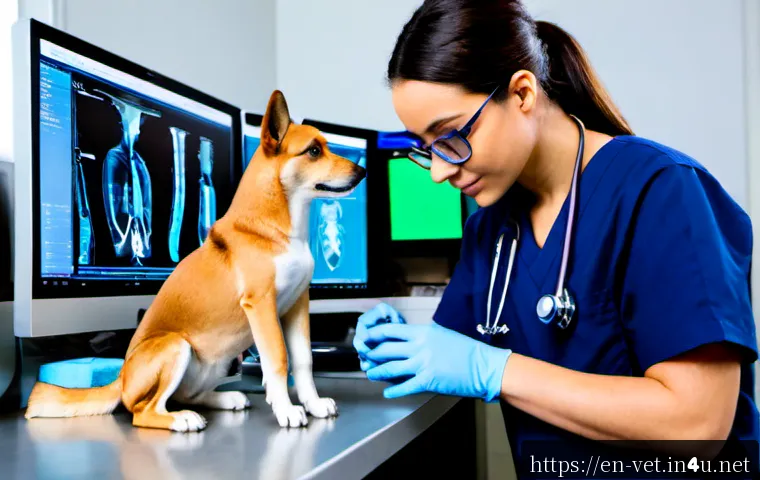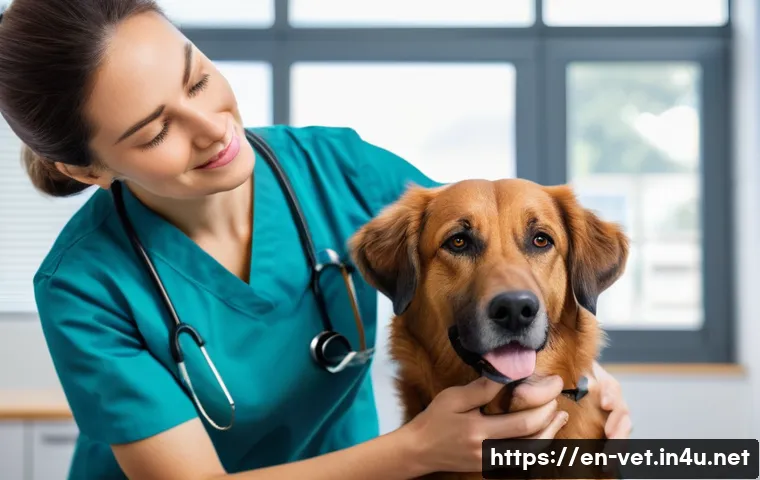
Ever dreamt of dedicating your life to healing animals, from the tiniest hamster to a majestic horse? Becoming a veterinarian is an incredibly rewarding path, but getting there requires more than just good grades and a love for creatures great and small.
I’ve seen countless aspiring vets make their way through the rigorous journey, and one thing consistently stands out: the right experiences can truly set you apart.
In today’s dynamic world of veterinary medicine, with exciting advancements in telemedicine, specialized care for exotics, and even groundbreaking research, demonstrating a diverse and genuine commitment is more crucial than ever before.
So, if you’re wondering how to build a resume that shines and truly prepares you for this incredible career, you’re in the right place. We’ll explore this in detail!
Exploring Diverse Animal Interactions Beyond Traditional Settings
Volunteering with Wildlife and Exotic Animals
When I first started dreaming of becoming a vet, my mind immediately went to dogs and cats, maybe a horse if I was feeling ambitious. But let me tell you, stepping out of that comfort zone and engaging with wildlife or exotic animals was a game-changer for my perspective.
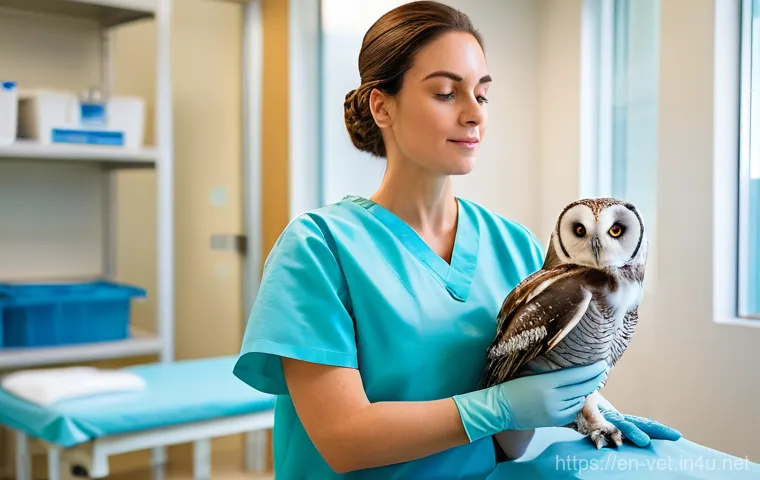
I remember volunteering at a local wildlife rehabilitation center, and the sheer variety of cases was astounding. One day it was a baby owl with a broken wing, the next a bewildered fox that had wandered into a suburban backyard.
It wasn’t just about treating injuries; it was about understanding different species’ unique needs, their stress responses, and how to create an environment conducive to their recovery.
This experience taught me an immense amount about adaptability and critical thinking. It really pushed me to learn on the fly and appreciate the vastness of the animal kingdom.
You learn to observe subtle cues that a domestic pet might not display, sharpening your diagnostic eye in ways a general practice simply can’t. Plus, it showed me that veterinary medicine isn’t just about clinical settings; it’s about conservation, public health, and protecting biodiversity.
This hands-on experience was invaluable, truly opening my eyes to the diverse facets of animal care.
Gaining Experience in Agricultural and Livestock Environments
For years, I thought veterinary medicine was all about small animals, but after a deep dive, I realized how much of the world relies on large animal vets.
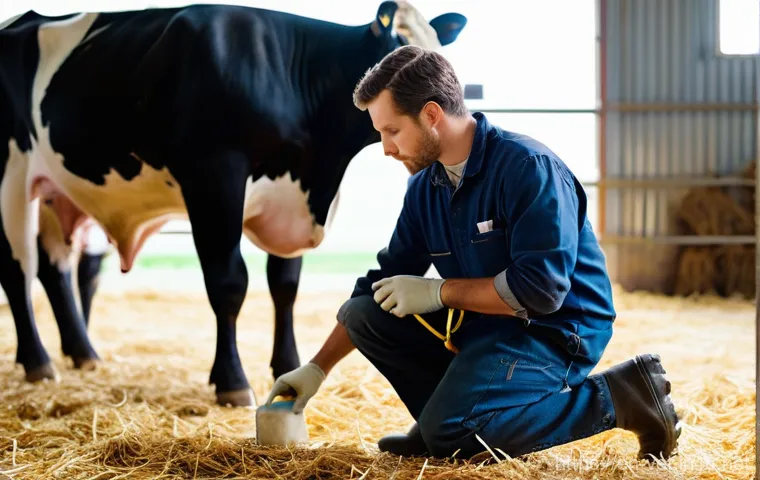
It was eye-opening to spend time on a dairy farm a few summers ago. The sheer scale of care, the preventative medicine needed for a whole herd, and the economic implications of animal health were entirely new to me.
I got to witness everything from calving to routine health checks, and even assist with minor surgical procedures in the field. It’s a completely different rhythm, a different kind of challenge, where you’re often working outdoors, sometimes in less-than-ideal conditions, navigating mud and unpredictable animals.
This experience not only broadened my understanding of veterinary practice but also honed my problem-solving skills in unique ways. You learn to think strategically about herd health, nutrition, and disease prevention, which are skills you don’t necessarily pick up in a typical small animal clinic.
It truly cemented my understanding that veterinary medicine is a broad and multifaceted field, offering paths far beyond what most people initially imagine.
The physicality and mental agility required for large animal practice are something you really have to experience to appreciate fully.
Deepening Your Understanding Through Clinical Immersion
Shadowing and Assisting in Diverse Veterinary Clinics
There’s something truly special about being “in the trenches” of a veterinary clinic. I’ve shadowed in several clinics, each with its own rhythm and specialty, and every single one offered unique insights into the daily life of a vet.
From the bustling emergency room, where adrenaline runs high and every second counts, to a calm, specialized dermatology clinic focused on chronic skin conditions, I absorbed so much.
Seeing vets navigate difficult conversations with pet owners, perform intricate surgeries, and simply manage the day-to-day chaos of appointments taught me more than any textbook ever could.
I particularly remember one evening in an ER when a dog came in after being hit by a car. The speed, precision, and teamwork displayed by the entire veterinary team were astounding.
It wasn’t just about medical knowledge; it was about communication, empathy, and working under immense pressure. These real-world observations give you a genuine feel for the profession, beyond the idealized version you might hold in your head.
It shows you the emotional toll, the immense satisfaction, and the unwavering dedication required, sometimes with very long days.
Exploring Veterinary Specializations and Referral Hospitals
It’s easy to think of a vet as a general practitioner, but the world of veterinary medicine has become incredibly specialized, mirroring human medicine in many ways.
Spending time in a referral hospital or a specialized practice – perhaps in oncology, cardiology, or even ophthalmology – offers a glimpse into the cutting-edge aspects of the field.
I had the privilege of observing an intricate eye surgery on a tiny cat, a procedure I wouldn’t have even imagined was possible before. These experiences don’t just showcase advanced medical techniques; they highlight the dedication required to master a specific area of veterinary science.
It’s about seeing how diagnostics become more sophisticated, how treatment plans are tailored to complex cases, and how collaboration among specialists leads to better outcomes for patients.
For me, it clarified that pursuing veterinary medicine is a journey of lifelong learning and that there are endless avenues for intellectual growth and professional development within the field.
It’s also where you see some truly groundbreaking work happening, pushing the boundaries of what’s possible for our animal companions, truly inspiring you to aim higher.
Cultivating Essential Non-Clinical Competencies
Developing Strong Communication and Empathy Skills
While grades and scientific knowledge are undeniably crucial, I’ve learned that being a truly effective veterinarian hinges significantly on your ability to communicate and empathize.
It’s not just about diagnosing an illness; it’s about explaining complex medical information to worried owners in a way they can understand, offering comfort during difficult times, and building trust.
I remember a moment shadowing a vet who was delivering heartbreaking news about a beloved pet. Her words weren’t just clinical; they were gentle, clear, and full of genuine compassion.
It wasn’t just what she said, but how she said it, the patience she showed, and the respect she gave to both the animal and the owner. These are the soft skills that truly define a great vet.
Participating in customer service roles, even outside of animal care, can surprisingly bolster these abilities. Learning to listen actively, to tailor your message to different audiences, and to manage emotional situations effectively are transferrable skills that are absolutely invaluable in veterinary practice.
It’s about building relationships, and those human connections are just as vital as the animal ones.
Mastering Problem-Solving and Critical Thinking Through Varied Roles
Veterinary medicine is essentially one big puzzle after another. Animals can’t tell you what’s wrong, so you’re constantly piecing together symptoms, diagnostic results, and owner observations to form a complete picture.
This requires serious problem-solving and critical thinking. I found that jobs completely unrelated to veterinary care, like working in a fast-paced retail environment or even tutoring, surprisingly helped me hone these skills.
In retail, I had to quickly assess customer needs and find solutions under pressure. As a tutor, I learned to break down complex problems into manageable steps.
These experiences taught me to approach challenges systematically, to analyze situations from multiple angles, and to make decisions even when information is incomplete.
In veterinary school applications, they aren’t just looking for someone who memorizes facts; they’re looking for someone who can think on their feet, adapt to unforeseen circumstances, and creatively solve problems.
Every experience, no matter how small, that pushes you to analyze, strategize, and execute contributes to building this crucial mental muscle. It’s truly a skill you cultivate over time with diverse experiences.
| Essential Skill | Why It Matters in Vet Med | How to Cultivate It (Beyond Direct Vet Experience) |
|---|---|---|
| Communication | Crucial for client education, team collaboration, and difficult conversations. | Customer service roles, public speaking, peer tutoring, group projects. |
| Empathy & Compassion | Connects with owners, understands animal welfare, and manages stressful situations. | Volunteer work with vulnerable populations, caregiving, mentorship roles. |
| Problem-Solving | Diagnosing non-verbal patients, adapting to unexpected challenges, clinical reasoning. | Logic puzzles, coding, engineering projects, complex academic assignments, even escape rooms! |
| Teamwork | Collaborating with vet staff, specialists, and external partners for optimal patient care. | Sports teams, club leadership, collaborative academic projects, volunteer crews. |
| Resilience | Coping with challenging cases, long hours, and emotional demands of the profession. | Endurance sports, overcoming academic setbacks, managing personal projects with tight deadlines. |
The Impact of Research and Academic Exploration
Engaging in Veterinary or Biomedical Research Projects
For many, the idea of research feels intimidating, almost detached from the hands-on care we associate with veterinary medicine. But getting involved in research, even at an introductory level, offers an incredible perspective that truly rounds out your application.
I was fortunate enough to participate in a small research project looking at antibiotic resistance in certain animal bacteria during my undergraduate years.
It wasn’t always glamorous – a lot of lab work, data entry, and meticulous attention to detail. However, it completely changed how I understood disease processes and the scientific method.
You learn to critically evaluate studies, understand the limitations of data, and appreciate the rigorous process behind every medical advancement we rely on daily.
This experience taught me to question, to explore, and to understand *why* certain treatments or protocols are used, rather than just memorizing facts.
It also shows admissions committees your intellectual curiosity and your dedication to advancing the field, which goes far beyond just clinical application.
It adds a whole new dimension to your understanding of animal health, and honestly, it made me a much better critical thinker.
Exploring Scientific Literature and Attending Academic Symposia
Beyond hands-on research, simply immersing yourself in the scientific literature can be profoundly insightful and is something I highly recommend. When I started reading peer-reviewed articles, I felt like I was peeking behind the curtain of veterinary knowledge, truly understanding the foundation of our practices.
It wasn’t always easy – some of the terminology was dense, and the statistics could be daunting. But pushing through and trying to understand the latest findings on topics like novel surgical techniques, emerging zoonotic diseases, or advancements in animal behavior was incredibly rewarding.
Attending virtual or in-person academic symposia, even as an observer, further solidifies this. I once attended a student-led conference where different research projects were presented, and the passion and depth of knowledge were inspiring.
These experiences demonstrate a proactive approach to learning and a genuine interest in the ongoing developments within veterinary medicine. It signals that you’re not just looking for a job, but a career where continuous learning and critical engagement with scientific advancements are paramount.
It truly shows you’re committed to staying at the forefront of animal health and scientific discovery.
Building a Strong Professional Network

Connecting with Veterinarians and Industry Professionals
When I was first starting out, the idea of “networking” felt a bit daunting, almost like a formal chore you *had* to do. But I quickly learned it’s simply about connecting with people who share your passion, and it can be genuinely fun.
Every veterinarian I’ve met has a unique story, a different path they took, and insights that no book can give you. I’ve found that most vets are incredibly generous with their time and advice, especially to aspiring students.
Just reaching out for an informational interview, attending local veterinary association meetings (even as a pre-vet student!), or striking up conversations during shadowing experiences can open doors you never knew existed.
I remember one vet telling me about a unique externship opportunity abroad that I would never have discovered otherwise, which ended up being one of the most transformative experiences of my journey.
These connections aren’t just about finding jobs; they’re about mentorship, gaining different perspectives on the profession, and feeling supported on what can sometimes be a challenging and solitary journey.
They help you understand the realities of the field, the daily joys and struggles, from people who are truly living it.
Joining Pre-Veterinary Clubs and Associations
Getting involved with pre-veterinary clubs at your university or even national organizations can be incredibly beneficial – and frankly, a lot of fun.
It’s a fantastic way to connect with like-minded peers who are all navigating the same journey, facing similar challenges and triumphs. We shared notes on classes, swapped stories about volunteer experiences, and even carpooled to different animal shelters together, making the journey feel much less overwhelming.
This kind of peer support is invaluable, and it helps you feel less alone in what can sometimes feel like a very competitive process. These clubs often host speakers – actual veterinarians, admissions officers, or specialists – who share invaluable advice and perspectives.
They might also organize group volunteering opportunities or workshops that provide hands-on experience, like suture practice or animal handling techniques, giving you a taste of clinical skills.
For me, being part of a pre-vet club not only provided a strong support system but also exposed me to a wider range of resources and opportunities than I would have found on my own.
It really expands your understanding of the profession and helps you realize you’re part of a larger, supportive community.
Embracing the Digital Frontier in Veterinary Medicine
Understanding Telemedicine and Virtual Consultations
The world of veterinary medicine, like everything else, is rapidly evolving with technology, and it’s something every aspiring vet needs to pay attention to.
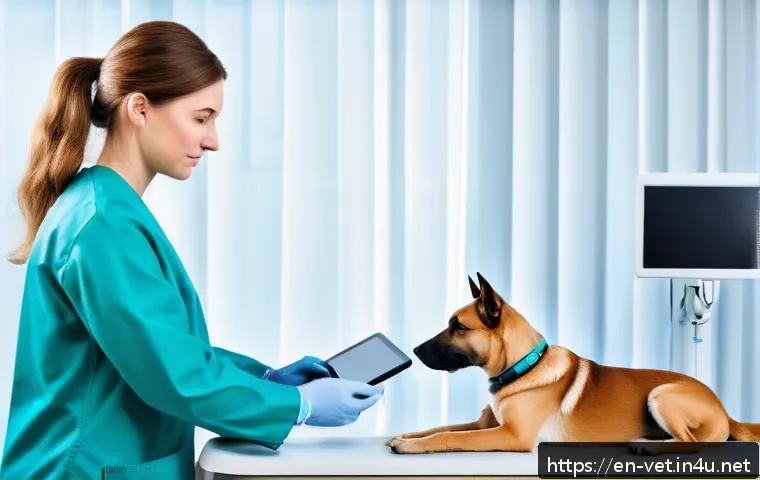
One of the biggest shifts I’ve seen is the rise of telemedicine. While nothing truly replaces hands-on examination, virtual consultations are becoming an increasingly vital tool, especially for follow-ups, initial screenings, and reaching clients in remote areas who might otherwise struggle to access care.
Spending time observing or even researching how veterinary clinics integrate telemedicine has been incredibly insightful. It’s about understanding the technology, the legal and ethical considerations involved, and crucially, how to effectively communicate and diagnose without physical touch – a different kind of skill set entirely.
I remember a discussion with a vet who explained how telemedicine allowed her to provide ongoing support for a chronic illness, drastically improving the pet’s quality of life because the owner felt more connected and informed, preventing unnecessary trips.
It demonstrates an adaptability to modern challenges and an understanding of how to leverage technology to expand access to care. It’s a skill set that will undoubtedly become even more critical in the years to come.
Leveraging Data and Technology for Enhanced Animal Care
Beyond just telemedicine, technology is transforming every aspect of animal care, from advanced diagnostic imaging to sophisticated practice management software and even AI-powered tools.
Getting comfortable with these tools, or at least understanding their application, is a huge plus for your future career. Think about electronic health records: they’re not just digital versions of paper charts; they’re powerful tools for tracking patient history, identifying trends, and ensuring seamless continuity of care across different providers.
I’ve seen clinics use data analytics to track disease outbreaks, optimize vaccine schedules, and even manage inventory more efficiently, freeing up valuable time for patient care.
Understanding how data collection and analysis can lead to better health outcomes, or improve operational efficiency, shows a truly forward-thinking mindset.
It’s not just about treating individual animals; it’s about optimizing systems and processes to provide the best possible care for a larger population, showcasing a broader understanding of public and animal health.
This kind of tech-savviness demonstrates a readiness to embrace the future of veterinary medicine and contribute to its ongoing innovation.
The Power of Passion Projects and Personal Initiatives
Starting Your Own Animal-Related Projects or Blogs
You know, sometimes the most impactful experiences aren’t handed to you; you create them yourself, and those often speak volumes about your genuine drive.
For me, that meant starting a small blog dedicated to debunking common pet myths and sharing evidence-based pet care tips. It was a humble beginning, but it pushed me to research thoroughly, articulate complex topics clearly, and even engage with a small community of pet owners, which was surprisingly rewarding.
Another friend, passionate about animal nutrition, created an elaborate spreadsheet comparing different pet food ingredients, which eventually led to her presenting at a local animal welfare event and gaining recognition.
These kinds of personal initiatives, whether it’s fostering abandoned animals, organizing a local fundraiser for a shelter, or even creating educational content online, demonstrate a level of proactivity and genuine commitment that really stands out to admissions committees.
It shows them that your passion for animals isn’t just theoretical; it’s something you actively pursue and invest your own time and energy into, building a unique portfolio of work in the process.
Demonstrating Leadership Through Animal Welfare Advocacy
Beyond direct animal care, taking on a leadership role in animal welfare advocacy can be incredibly powerful and truly highlights your dedication. This could mean leading a local animal shelter’s volunteer program, organizing an awareness campaign about responsible pet ownership, or even lobbying for humane treatment policies within your community.
I was involved in a student group that campaigned for stricter regulations against puppy mills, and the experience of coordinating volunteers, drafting petitions, and engaging with local government officials was eye-opening.
It taught me about the broader ethical and societal dimensions of animal welfare, and how veterinarians often play a crucial role in advocating for animals who can’t speak for themselves.
This type of experience shows leadership, a commitment to ethical practice, and an understanding that veterinary medicine extends beyond the clinic walls into the realm of public service and animal rights, demonstrating a well-rounded and deeply committed individual.
It truly showcases your desire to make a difference on a larger scale.
Wrapping Things Up
As we’ve journeyed through the myriad ways to truly immerse yourself in the world of veterinary medicine, I hope you’ve felt a spark of inspiration, just like I did. It’s clear, isn’t it, that becoming a vet is so much more than just good grades? It’s a holistic commitment to learning, growing, and experiencing the vast, beautiful, and sometimes challenging tapestry of animal life and human connection. Every unique interaction, every skill honed, and every relationship built forms a crucial piece of your professional mosaic, shaping not just a competent veterinarian, but a compassionate and insightful one. Remember, your personal journey and the passion you bring are what truly set you apart. Keep exploring, keep learning, and most importantly, keep that unwavering love for animals burning bright. It’s an incredibly rewarding path, and every step you take to broaden your horizons now will undoubtedly enrich your future practice.
Practical Insights for Your Journey
1. Diverse experiences are your secret weapon. Don’t just stick to the typical small animal clinic. Dive into wildlife rehabilitation, spend time on a farm, or even observe a research lab. These varied settings will expose you to different species, health challenges, and problem-solving approaches, making you a much more adaptable and well-rounded applicant and future practitioner.
2. Non-clinical skills are just as vital as your scientific knowledge. Seriously, vets are constantly communicating with distraught owners, collaborating with colleagues, and thinking on their feet. Seek out opportunities in customer service, public speaking, or team-based projects. These experiences will dramatically boost your empathy, communication, and critical thinking, which are invaluable in practice.
3. Embrace technology – it’s the future of vet med. From telemedicine platforms to advanced diagnostics and electronic health records, understanding and being comfortable with technology will be a significant advantage. It shows you’re forward-thinking and ready to contribute to an evolving field that increasingly relies on digital tools for better patient care and efficiency.
4. Networking isn’t just a buzzword; it’s genuinely connecting with people who share your passion. Reach out to vets for informational interviews, join pre-vet clubs, and attend local veterinary events. These connections can offer mentorship, unique opportunities, and a support system that will make your journey less daunting and far more enriching. Plus, you’ll hear incredible stories!
5. Don’t underestimate the power of your own passion projects. Whether it’s starting an animal welfare blog, volunteering to organize a fundraiser for a local shelter, or conducting a small research project of your own, these initiatives showcase your proactive drive and genuine commitment to animal well-being. They tell a story about your dedication that goes beyond what a resume can convey.
Summing Up the Essentials
To truly stand out in the competitive world of veterinary medicine, remember that it’s about building a rich tapestry of experiences. Embrace every opportunity, from shadowing in emergency clinics to understanding the nuances of agricultural veterinary care, and don’t forget the incredible value of non-clinical skills like communication and critical thinking. Actively engage with the evolving digital landscape of animal care and always seek to connect with professionals and peers who can guide and inspire you. Your journey isn’t just a checklist of requirements; it’s a testament to your passion, resilience, and unwavering dedication to animals. By cultivating a broad range of competencies, embracing challenges, and committing to lifelong learning, you’re not just preparing for a career; you’re shaping a meaningful life devoted to the welfare of all creatures. Keep that curiosity alive, stay adaptable, and most importantly, let your genuine love for animals shine through in everything you do.
Frequently Asked Questions (FAQ) 📖
Q: What are the absolute must-have experiences to make my vet school application truly shine?
A: This is a fantastic question, and honestly, it’s one I hear all the time! When I reflect on what truly made a difference for me and so many successful applicants I’ve known, it boils down to two things: variety and genuine engagement.
It’s not just about racking up hours; it’s about what you learn from those hours. Of course, shadowing a small animal veterinarian is crucial – you need to see the day-to-day reality, the good, the bad, and the sometimes messy.
But don’t stop there! Try to get some large animal experience, even if you think you’ll only ever treat cats and dogs. Understanding different species and environments broadens your perspective immensely.
I remember spending a summer on a dairy farm, and it was tough work, but it taught me so much about herd health and preventative medicine that I wouldn’t have grasped otherwise.
And don’t forget research! Whether it’s in a lab or even helping with a clinical trial, showing you can think scientifically and contribute to knowledge is a huge plus.
Volunteer at a shelter, assist at an emergency clinic, or even try to find opportunities with exotic animals if that sparks your interest. The key is to show a deep, authentic curiosity and a commitment that goes beyond checking a box.
Vet schools want to see that you’ve explored the field from multiple angles and understand the breadth of what a veterinary career entails. Don’t forget to include non-animal related experiences too, like community service or leadership roles, as these showcase you as a well-rounded individual.
Q: How much does my GP
A: really matter compared to all this practical experience? It feels like a constant balancing act! A2: Oh, the age-old dilemma!
You’re absolutely right, it feels like you’re constantly juggling textbooks and barn boots, doesn’t it? Here’s the deal, from my perspective and what I’ve seen over the years: your GPA is undeniably important.
It demonstrates that you can handle the rigorous academic workload of vet school – and trust me, it is rigorous. A strong GPA, especially in your science courses, shows competency and dedication.
However, and this is a big however, it’s rarely the only thing that gets you in. Think of your GPA as the entry ticket; it gets you to the table. But your experiences are what make you memorable at that table.
I’ve known students with perfect 4.0s who struggled to articulate why they wanted to be a vet beyond a general love for animals, and others with slightly lower GPAs but incredibly rich, diverse, and well-reflected-upon experiences who soared through interviews.
Admissions committees want to see a well-rounded individual. They want to know you understand the realities of the profession, have developed communication skills, problem-solving abilities, and resilience – qualities often honed outside the classroom.
So, aim for the best GPA you can achieve, but never, ever sacrifice those hands-on experiences. They are what bring your application to life and demonstrate your genuine passion and preparedness.
Some schools are even recognizing that other skills are equally important and that a demanding work schedule might affect grades.
Q: With all the new developments like telemedicine and specialized care, should I try to focus on a niche area even before applying to vet school?
A: That’s a super insightful question and really shows you’re thinking about the future of veterinary medicine! It’s true, the field is evolving so rapidly, and it’s incredibly exciting with advancements in telemedicine, AI, and specialized care for exotics.
While it’s fantastic to have an interest in areas like telemedicine, exotics, or even groundbreaking research, my advice would be not to box yourself in too early.
Exploring these emerging fields is a great idea – perhaps through a volunteer stint with a wildlife rehabilitator, shadowing a specialist, or reading up on veterinary tech innovations.
Showing an awareness of these trends demonstrates your forward-thinking nature and adaptability, which are huge assets. However, vet school itself is designed to give you a broad, foundational education in all aspects of veterinary medicine.
You’ll have opportunities to delve deeper into specialties during your clinical years and certainly after graduation. Right now, focus on getting a diverse range of experiences across different species and practice types.
This broad exposure will not only make you a more well-rounded applicant but will also help you discover what truly excites you. You might think you’re set on small animal surgery, then find yourself absolutely captivated by public health or equine medicine after a particular experience.
Keep an open mind, explore widely, and let your passions naturally guide you once you’re deeper into your veterinary journey.